A few years ago, if someone told you that artificial intelligence would be helping people interpret lab work, prepare for doctor visits, and even guide them toward treatment options, it would have sounded like science fiction. Today, it’s quietly becoming part of everyday healthcare.
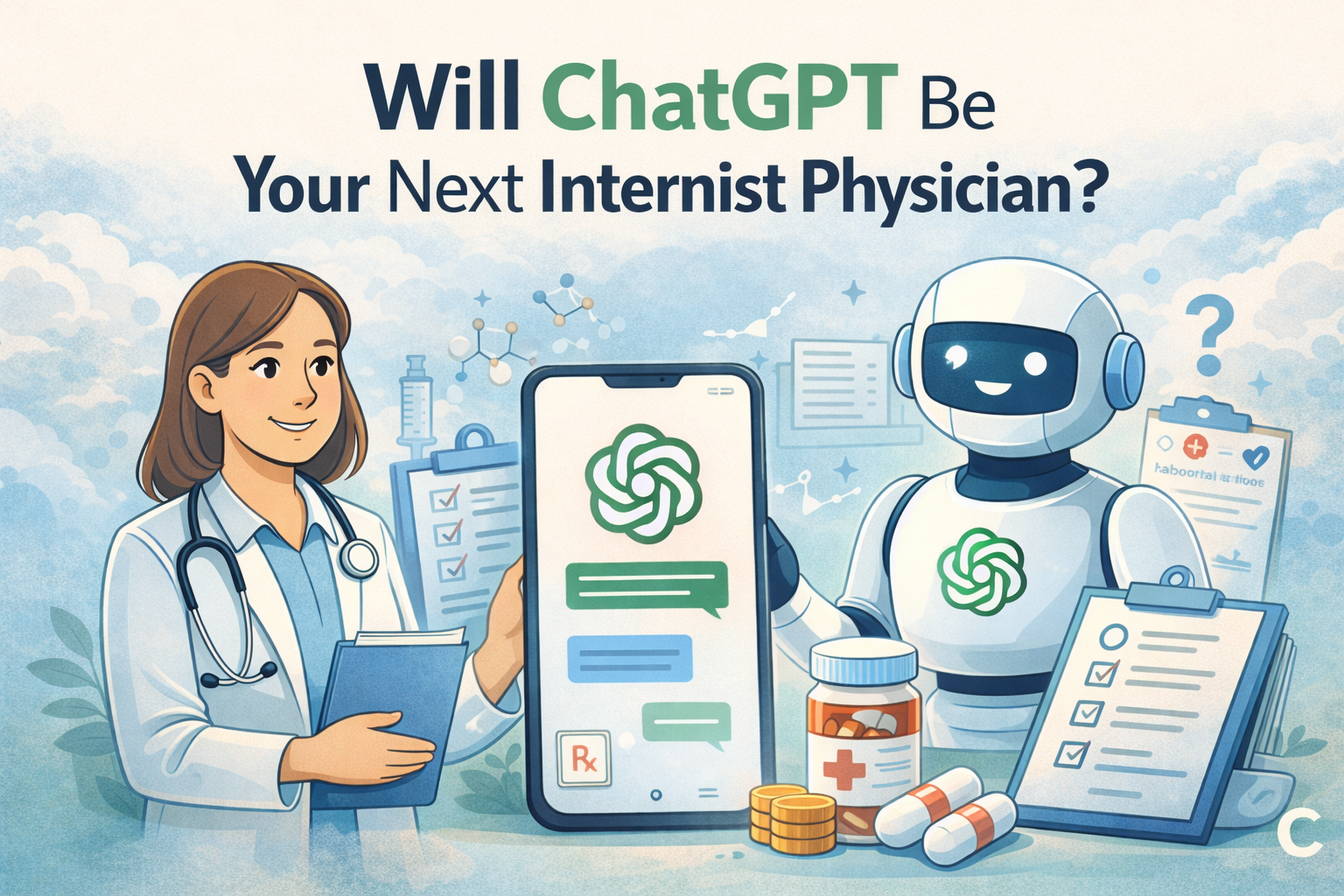
With OpenAI’s recent move into healthcare through what’s now being called ChatGPT Health, the question isn’t whether AI will influence medicine — it already is. The more interesting question is how far it goes, and what role it plays alongside real physicians.
What’s Actually Changing
Healthcare has always struggled with one major problem: information overload with very little clarity. Patients receive test results, notes, portals, summaries, and instructions — often without context or explanation. Most people leave doctor visits remembering only a fraction of what was discussed.
AI tools like ChatGPT are stepping into that gap.
The idea behind ChatGPT Health isn’t to diagnose or replace doctors. It’s to help people make sense of their health information — lab trends, medication questions, symptoms, and even what questions they should be asking next. Think of it less as a doctor and more as a highly organized, always-available health translator.
That distinction matters.
Why This Feels Different Than “Dr. Google”
We’ve all Googled symptoms. That usually leads to anxiety, confusion, or worst-case scenarios. AI is different because it can be contextual. It remembers what you’ve shared, recognizes patterns, and frames information in plain language — not alarmist headlines.
For many people, this becomes a way to prepare for a visit rather than replace one. Better questions. Better understanding. Better engagement.
And that alone is a meaningful shift.
Telehealth Has Already Normalized This Behavior
At the same time AI is evolving, telehealth has quietly changed how people access care.
Companies like Amazon One Medical now offer on-demand virtual visits for common conditions — including things like UTIs, sinus infections, pink eye, anxiety, and routine prescription needs. You describe symptoms, interact with a licensed clinician, and in many cases a prescription is sent directly to a pharmacy without stepping into an office.
For straightforward, episodic issues, this model works — and consumers have embraced it.
What’s important is recognizing the direction of travel:
People are already comfortable getting healthcare guidance digitally.
AI simply becomes the front door — helping people decide when they need care, what kind of care they need, and how urgent the situation actually is.
So… Is ChatGPT Your Next Internist?
Not exactly — and that’s the wrong way to frame it.
AI isn’t replacing internists any time soon. It doesn’t examine you. It doesn’t order imaging. It doesn’t make judgment calls in complex or ambiguous cases. And it shouldn’t.
What it does do is something medicine has struggled with for decades:
give people time, clarity, and continuity.
- Time to think through symptoms
- Clarity around confusing medical language
- Continuity between visits, test results, and lifestyle data
That makes patients better informed — and frankly, better partners in their own care.
The More Likely Future
The future of healthcare isn’t AI versus doctors. It’s AI supporting both patients and clinicians.
- Patients show up better prepared
- Physicians spend less time explaining basics and more time treating
- Telehealth handles routine care efficiently
- In-person medicine focuses on what truly requires human judgment
In that model, AI doesn’t replace the internist — it acts more like a clinical assistant, educator, and guide that never gets tired.
And for a system under pressure from cost, access issues, and burnout, that may be exactly what healthcare needs.
The real takeaway isn’t whether ChatGPT becomes your doctor.
It’s that healthcare is finally starting to meet people where they already are — informed, digital, and looking for clarity.